Column · @connerzgvt900
Cosmetic Dentistry Bakersfield CA for Enhanced Facial Aesthetics
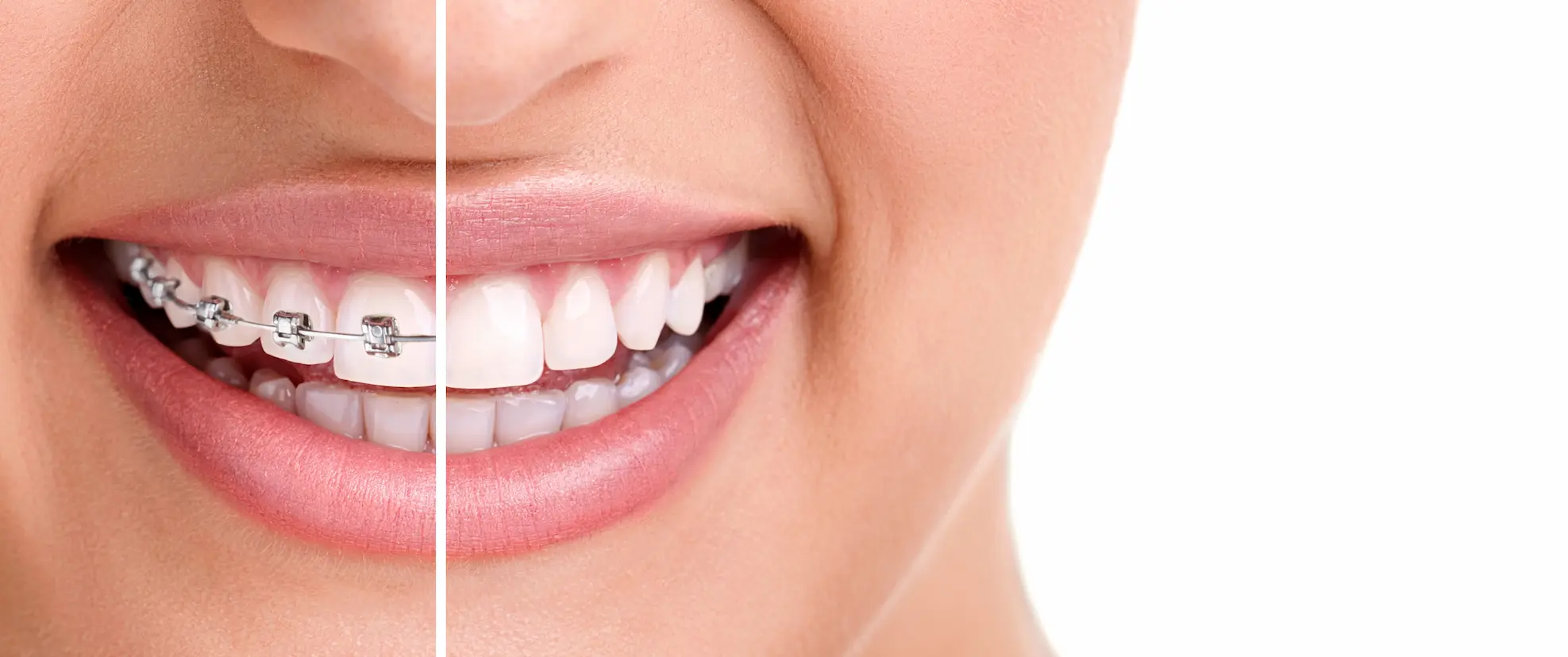

A great cosmetic dental result does more than brighten teeth. It changes how the lips rest, how the cheeks are supported, how much tooth shows when a person speaks, and whether the smile looks youthful or strained. When patients ask about improving their appearance, they often start with a single concern such as staining, chips, spacing, or a worn front tooth. What they usually want, though, is a face that looks more balanced, healthier, and more at ease.
That is where cosmetic dentistry becomes far more interesting than the before and after photos suggest. In a place like Bakersfield, where people spend a lot of time outdoors, work face to face with clients, and value a polished but natural appearance, cosmetic dentistry often sits at the intersection of oral health and facial aesthetics. Done well, it does not make a smile look artificial. It makes the entire lower third of the face look more harmonious.
The phrase Cosmetic Dentistry Bakersfield CA often brings veneers to mind first, and veneers can be a powerful option. But facial aesthetics in dentistry are broader than that. The shape, color, length, position, and proportion of teeth all influence the frame of the mouth. So do the gums, bite, jaw function, and the way light reflects across the smile. A skilled cosmetic plan considers all of it.
Why the smile changes the face
People notice the eyes first, but the smile carries a surprising amount of visual weight. It affects first impressions, age perception, and whether the face reads as open or guarded. Small adjustments in tooth display can make someone look more energetic. Restoring worn edges can soften a collapsed, tired look around the mouth. Correcting asymmetry can reduce the sense that something looks "off," even when viewers cannot identify what changed.
In practice, facial aesthetics often come down to proportion and support. If the front teeth are too short from grinding, the lips may lose a bit of support and the smile can disappear when the person talks. If the teeth are too square, too bright, or too bulky, the smile may compete with the face instead of complementing it. If the bite is unstable, even beautiful restorations can chip, wear, or create tension in the jaw muscles that changes facial comfort and expression.
A well planned cosmetic case asks several questions before any treatment begins. How much tooth should show at rest? How wide should the smile appear from corner to corner? Does the gumline follow the upper lip in a flattering way? Are the central incisors proportionate to the face, or are they too narrow, too long, or too dominant? Those details matter more than many patients realize.
Bakersfield patients often want natural, not dramatic
There is a common misconception that cosmetic dentistry is about getting the whitest possible shade and perfectly uniform teeth. Some people do ask for that. Most do not. In my experience, the strongest cosmetic work is often the least obvious. Friends notice that someone looks rested, put together, or younger, but they do not immediately say, "You had dental work."
That preference is especially common among adults in their thirties, forties, and fifties who want refinement without losing character. A slight twist in a lateral incisor, a faint translucency at the edge of the front teeth, or a tiny bit of asymmetry can make a smile look alive rather than fabricated. The goal is rarely perfection in the abstract. It is coherence with the person’s face, age, skin tone, and style.
A patient who has spent years toothworksofbakersfield.com Cosmetic Dentistry Bakersfield CA hiding a chipped front tooth usually does not need a dramatic makeover. They need a restoration that restores confidence without looking foreign. Another patient with years of grinding and flattened teeth may benefit from a more comprehensive plan, because the issue is not only appearance. It is structural loss that has begun to affect facial shape and bite comfort.
The treatments that most influence facial aesthetics
Not every cosmetic treatment changes the face in the same way. Whitening alters color but not structure. Bonding can refine shape with minimal drilling. Veneers offer greater control over color, contour, and proportion. Crowns can rebuild teeth that are badly damaged or heavily restored. Orthodontic treatment, including clear aligners in selected cases, can change alignment, arch form, and smile width. Gum contouring can rebalance excess or uneven gingival display.
What matters is matching the treatment to the actual problem. If someone has healthy enamel and mild spacing, jumping straight to porcelain veneers may be excessive. If a person has old, dark bonding on several front teeth with uneven wear and a compromised bite, whitening alone will not solve much. This is where judgment counts.
A common example is the patient who dislikes "small teeth." Sometimes the teeth are not naturally small at all. They are worn down. Restoring length can improve the smile line and create better lip support. Another example is the person who thinks their teeth are crooked when the more visible issue is that the gumline is uneven. Correcting the gum architecture may produce a cleaner aesthetic result than changing the teeth themselves.
Veneers and the art of restraint
Porcelain veneers are often the headline treatment in cosmetic dentistry because they can address several concerns at once, including color, shape, minor misalignment, worn edges, and small gaps. They can be transformative. They can also be overused.
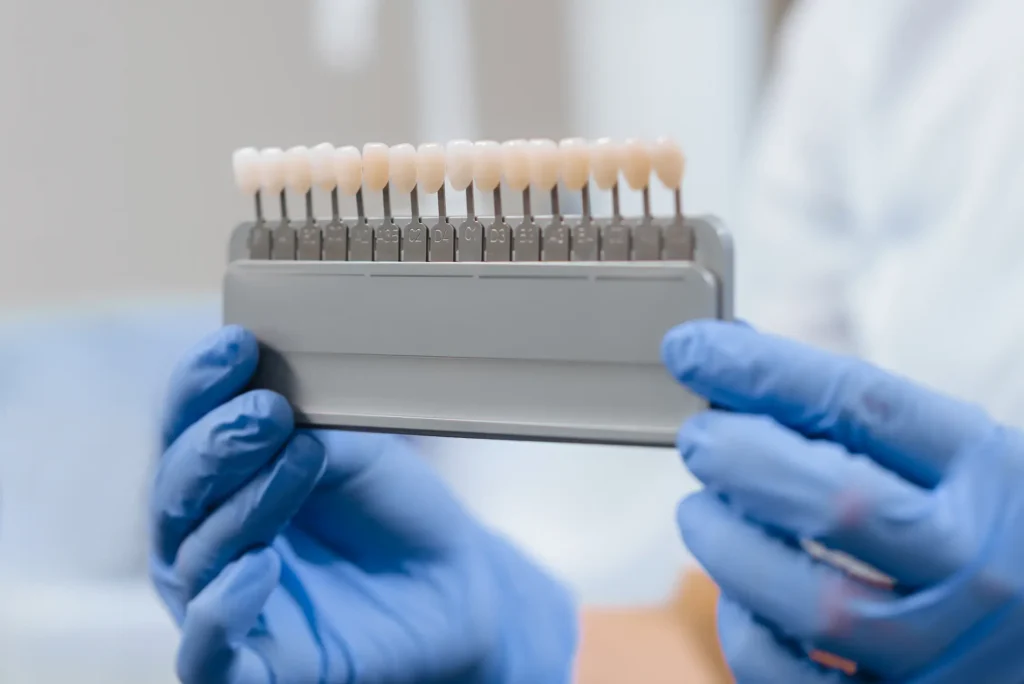
The best veneer cases start with careful planning rather than aggressive preparation. Digital imaging, study models, provisional mockups, and close communication between dentist and ceramist are what separate a believable result from a generic one. Surface texture matters. Edge translucency matters. The way the restorations reflect light under natural daylight matters. A smile that looks fine in a studio photo may look flat and opaque in real life if those details are ignored.
There is also the question of how many veneers are truly needed. Some smiles require eight or ten upper units for ideal continuity. Others can be beautifully improved with two, four, or six, especially when existing tooth color and shape are favorable. More dentistry is not always better dentistry. If a conservative approach can preserve healthy enamel and still achieve the aesthetic goal, that is often the wiser route.
Whitening, bonding, and conservative improvement
Many facial aesthetic gains come from modest treatment. Whitening remains one of the simplest ways to make the smile look fresher and the face look brighter. It is especially useful when the teeth are structurally sound and the main complaint is generalized staining from coffee, tea, red wine, tobacco, or simply age. The limitation is that whitening cannot change shape, alignment, restorations, or deep intrinsic discoloration in every case.
Bonding is another underrated option. Composite resin can repair chips, close small spaces, lengthen edges, and smooth irregular contours in a single visit or over a short series of appointments. In the right hands, it can look excellent. It is also more affordable than porcelain and usually more conservative. The trade-off is longevity. Bonding tends to stain and wear more quickly than ceramic, particularly in patients who bite heavily, grind, or have strong dietary staining habits.
For younger patients or for adults testing an aesthetic change before moving to porcelain, bonding can be a practical first step. Cosmetic Dentistry Bakersfield CA It can also be used strategically as part of a phased plan, where function is stabilized first and definitive ceramics are considered later.
When straightening teeth improves more than alignment
Orthodontics is often filed mentally under function or bite correction, but it plays a major role in facial aesthetics. Teeth that flare outward can push the lips in an unbalanced way. Narrow arches can make the smile look constricted, creating dark corners at the sides of the mouth. Crowding can create shadowing and uneven tooth display that ages the smile.
Clear aligners have broadened access for adults who want discreet treatment, and they work very well for many cosmetic concerns. But they are not a cure-all. Severe rotations, vertical discrepancies, significant bite issues, and skeletal concerns may still require more complex orthodontics or interdisciplinary treatment. Short term alignment without attention to function can create a better looking front view while leaving deeper problems unresolved.
Still, when properly indicated, orthodontic treatment can produce a cleaner, broader, more symmetrical smile that supports the lips and cheeks more attractively. It can also reduce the need to remove healthy tooth structure for cosmetic reshaping. That matters.
The overlooked role of gum aesthetics
Patients tend to focus on teeth because teeth are what they see in photos. Dentists know that gums quietly determine whether the smile feels balanced. Too much gum display, uneven gum margins, or puffiness from chronic inflammation can distract from even beautiful teeth. On the other hand, healthy, well contoured gums make everything else look better.
Sometimes the issue is simply periodontal health. Inflamed tissue can make teeth appear shorter and less defined. A thorough cleaning, improved home care, and time for tissue healing may change the appearance more than expected. In other cases, contouring or crown lengthening may be appropriate to create a more proportional relationship between teeth and gingiva. When planned conservatively and done with attention to symmetry, these procedures can subtly but dramatically elevate the smile.
This is another area where facial context matters. A little gum show can look youthful and attractive. The aim is not to erase all gingival display. The aim is to align the gumline with the lip line in a way that looks natural for that person.
Worn teeth, bite collapse, and aging of the lower face
Some of the most significant aesthetic improvements come from restorative cases that are not purely cosmetic. Years of grinding, acid erosion, fractured fillings, and missing teeth can shorten the vertical appearance of the smile and contribute to an older, more drawn expression. Patients may notice their teeth look tiny, but they often do not connect that with changes in facial support.
When teeth wear down substantially, several things can happen. The edges flatten, the smile line loses definition, and the lower third of the face can appear less supported. Fine lines around the mouth may look more pronounced. The jaw muscles may overwork. The corners of the mouth may begin to turn downward. In selected cases, rebuilding worn teeth can restore not just tooth structure but a more youthful facial presentation.
This kind of treatment requires caution. It is not about arbitrarily making teeth longer. It is about evaluating the bite, temporomandibular joint comfort, phonetics, envelope of function, and available restorative space. A rushed cosmetic approach in a heavy grinder often ends with broken porcelain and a frustrated patient. A careful approach may involve deprogramming, trial provisionals, protective night guards, and staged treatment. The timeline is longer, but the result is more stable.
What a thoughtful consultation should cover
A cosmetic consultation should feel more like diagnosis than sales. If the conversation jumps straight to a price for veneers without photographs, bite analysis, shade discussion, and a review of goals, that is a warning sign. Good cosmetic dentistry is highly individualized. Two patients can arrive with the same complaint, "I hate my smile," and need completely different solutions.
During a thorough evaluation, these points usually matter most:
- The current condition of the teeth, gums, bite, and existing dental work.
- The patient’s aesthetic priorities, including what they like and dislike in real examples.
- Functional risks such as grinding, clenching, gum recession, or unstable bite patterns.
- The degree of change desired, from subtle refinement to comprehensive redesign.
- Budget, timeline, and willingness to maintain the result over time.
That last point deserves honesty. Cosmetic dentistry is not a one time beauty purchase that never needs attention again. Whitening needs touch ups. Bonding may need polishing or repair. Veneers and crowns can last many years, but they are still restorations with a life cycle. Maintenance matters.
Choosing the right provider in Bakersfield
Patients searching for Cosmetic Dentistry Bakersfield CA often focus on convenience first, which is understandable. Location matters. Scheduling matters. But cosmetic dentistry is one area where experience, aesthetic judgment, and communication style matter just as much. A technically sound filling and a beautifully integrated cosmetic restoration are not the same skill set.
Before committing, it helps to look beyond marketing language. Ask to see cases similar to your own, not only dramatic full smile transformations. If your concern is worn edges, ask to see edge repair and lengthening cases. If your concern is an uneven gumline, ask how often the dentist treats that. Pay attention to whether the results all look the same. Uniform smiles can signal a one size fits all approach.
You should also ask practical questions. Will the dentist create a mockup before final treatment? Is the laboratory involved in shade and characterization planning? How are temporary restorations handled? What happens if you do not like the shape in the provisional phase? A good cosmetic provider welcomes those questions because they are part of getting the result right.
The trade-offs patients should understand
Cosmetic dentistry can be life changing, but every treatment carries trade-offs. Patients are best served when those trade-offs are discussed plainly rather than glossed over in pursuit of a sale.
Here are some of the most important ones:
- More dramatic color changes may require restorations rather than whitening alone.
- The most conservative option may not deliver the longest lasting or most comprehensive result.
- Faster treatment is not always better when bite issues or tissue healing are involved.
- Lower upfront cost can mean more maintenance if materials stain or chip more easily.
- Highly idealized smiles may look impressive online but less natural in daily life.
I have seen patients regret treatment not because the dentistry failed, but because the style of the result did not fit them. A person with a strong, expressive face may look excellent with slightly bolder tooth contours. Someone with delicate facial features may look best with softer line angles and a less bright shade. These are not minor artistic preferences. They influence whether the smile feels authentic.
Small details that make a big difference
Some of the most important aesthetic choices are nearly invisible to patients before treatment starts. Midline position is one. A perfectly centered dental midline is not mandatory in every case, but a visibly canted or distracting one can affect facial balance. Incisal edge position is another. The length of the front teeth influences speech sounds such as "F" and "V," as well as how youthful the smile appears. Buccal corridor space, smile arc, papilla fill between teeth, and symmetry of the gingival zeniths all contribute quietly to the final impression.
Then there is texture. Natural teeth are not featureless white tiles. They carry microtexture, faint developmental grooves, and varying translucency. Younger teeth often reflect more light because their edges and enamel surfaces are different from teeth that have aged and worn. Skilled ceramic work reproduces those subtleties in proportion to the patient’s age and goals. Overly smooth, monochromatic restorations can make even expensive treatment look artificial.
Maintenance after the smile makeover
Long term success depends on habits. A beautifully designed smile still lives in a real mouth, exposed to coffee, acids, nighttime clenching, and daily brushing. Patients who understand maintenance from the start are usually happier years later because their expectations are realistic.
That maintenance may include regular hygiene visits, periodic polishing, whitening refreshes for untreated teeth, replacement of old bonding, and nightly wear of a protective guard if grinding is present. It may also involve dietary adjustments. Frequent sipping of acidic drinks, for example, can shorten the life of both natural enamel and restorations. Hard chewing habits, ice, and certain nail biting patterns can be surprisingly destructive.
None of this is glamorous, but it is part of cosmetic success. The smiles that stay attractive over time are usually the ones supported by good function and disciplined upkeep.
Facial aesthetics are not separate from oral health
One of the biggest mistakes in elective dentistry is treating appearance as though it exists independently from health. The most attractive smile in the room will not stay attractive if decay is active, gums are inflamed, or the bite is unstable. Strong cosmetic dentists understand this instinctively. They do not force every patient into a full makeover. They stabilize disease, protect structure, and then build beauty on top of a healthy foundation.
For many adults in Bakersfield, that may mean combining cosmetic improvements with restorative and preventive care. A patient might whiten after periodontal therapy. Another may align teeth before replacing worn bonding. Someone else may need occlusal rehabilitation before any veneers are placed. These are not detours from aesthetics. They are what make aesthetic results durable.
The best cosmetic outcomes rarely come from chasing a trend. They come from careful assessment, restraint where appropriate, and a clear understanding of how teeth support the face. If you are exploring Cosmetic Dentistry Bakersfield CA, the smartest first step is not choosing a procedure. It is choosing a clinician who sees your smile as part of your whole facial presentation, not just a row of teeth to be brightened.
When that level of planning is present, cosmetic dentistry can do something remarkable. It can refine the smile, support the face, and restore confidence without making the work itself the main thing anyone notices.
Toothworks of Bakersfield, Dentist and Orthodontist
Address: 1030 H St #1, Bakersfield, CA 93304
Phone number: +16613239421
FAQ About Cosmetic Dentistry Bakersfield CA
What is considered cosmetic dentistry?
Cosmetic dentistry includes any dental treatment focused primarily on improving the appearance of your teeth, gums, or bite rather than treating a disease or restoring basic function.
How much does cosmetic dentistry usually cost?
The cost of cosmetic dentistry typically ranges from a few hundred dollars for minor touch-ups to over $20,000 for a comprehensive smile makeover, depending entirely on the specific procedure, materials used, and how many teeth are treated. Because most cosmetic treatments are elective, they are usually paid out of pocket without insurance coverage.
Is there a difference between a regular dentist and a cosmetic dentist?
Yes, a regular dentist focuses on your overall oral health and preventing disease, while a cosmetic dentist focuses on improving the look of your smile.